MonoLith Platform White Papers
Engineering papers on the thermal, structural, and safety architecture of the MonoLith modular battery platform. Each paper describes one design decision, its consequences, and its constraints.
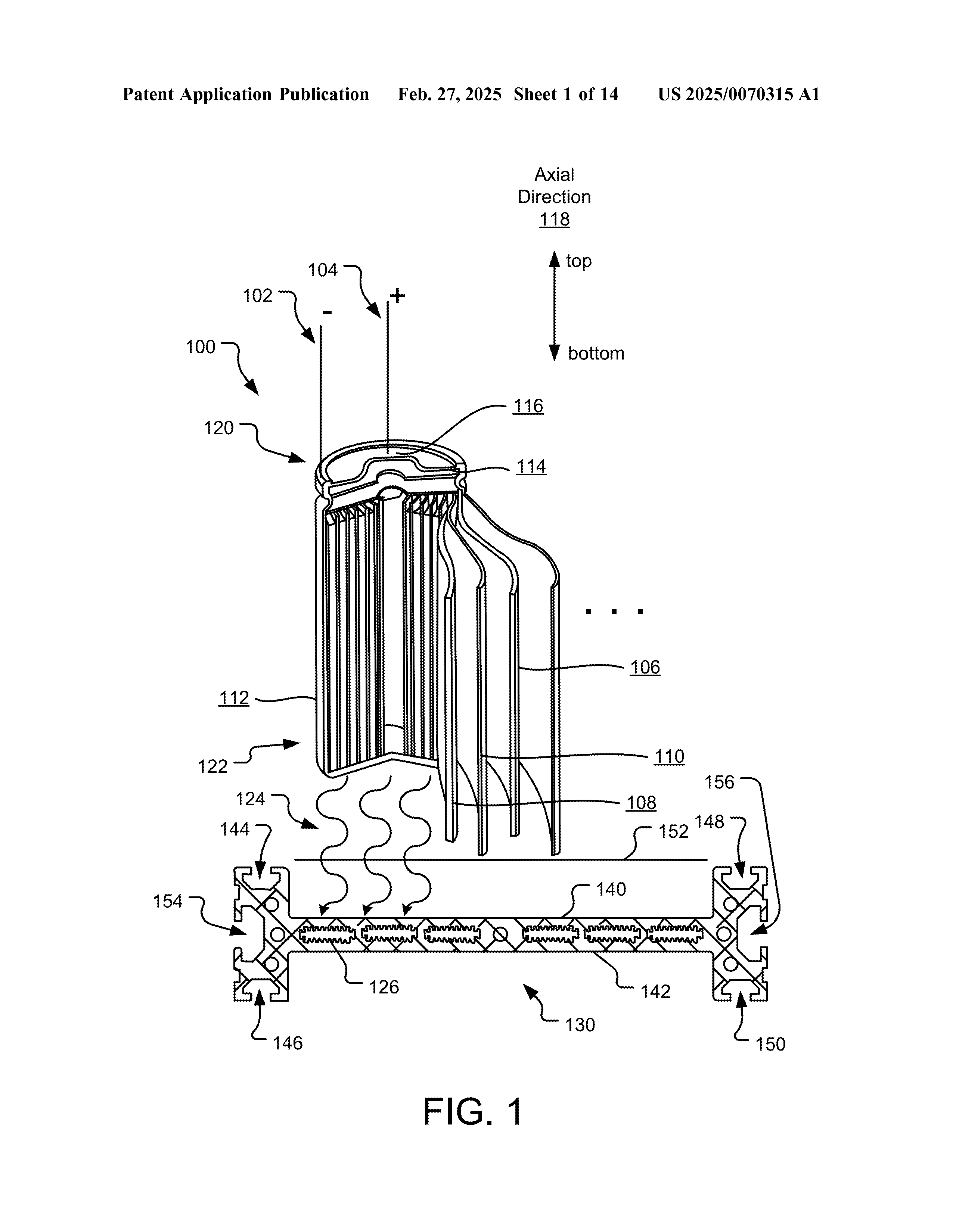
Cooling Along the Path of Least Resistance
Working with jelly-roll thermal anisotropy instead of against it in cylindrical-cell battery packs
Cylindrical lithium-ion cells conduct heat far better along their axis than through their radius. This paper describes a pack architecture that co-locates both cell contacts at one axial end to enable direct base-to-plate thermal conduction, and the trade-offs that approach introduces.
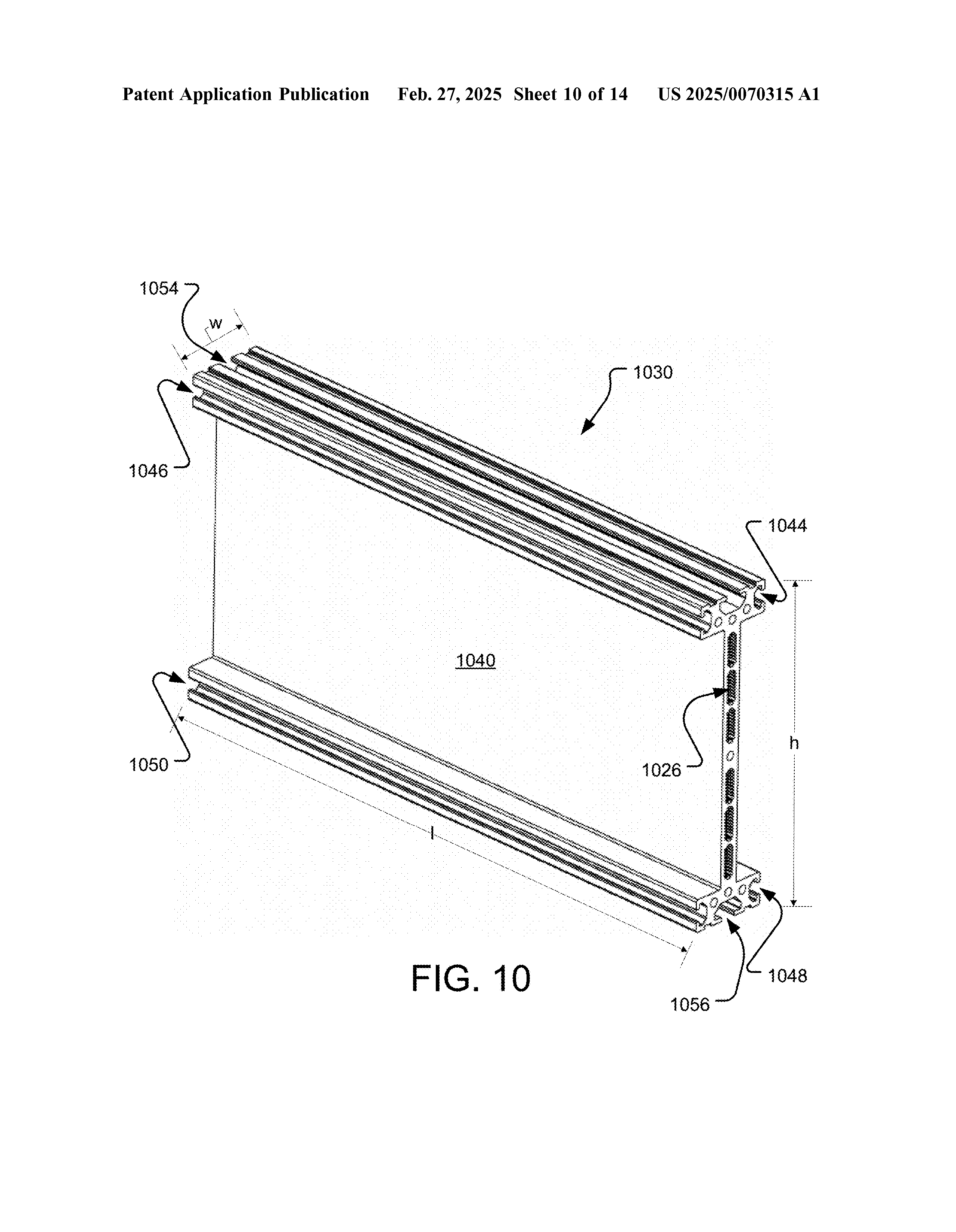
The Pack That Is Its Own Chassis
Consolidating structure and cooling in a modular battery architecture, and what that buys a development program
In most battery packs, the structure and the cooling system are separate subsystems that each claim mass, volume, and integration effort. This paper describes an architecture in which a single extruded thermal plate performs both jobs, why that makes pack length a free variable, and the constraints the consolidation imposes.
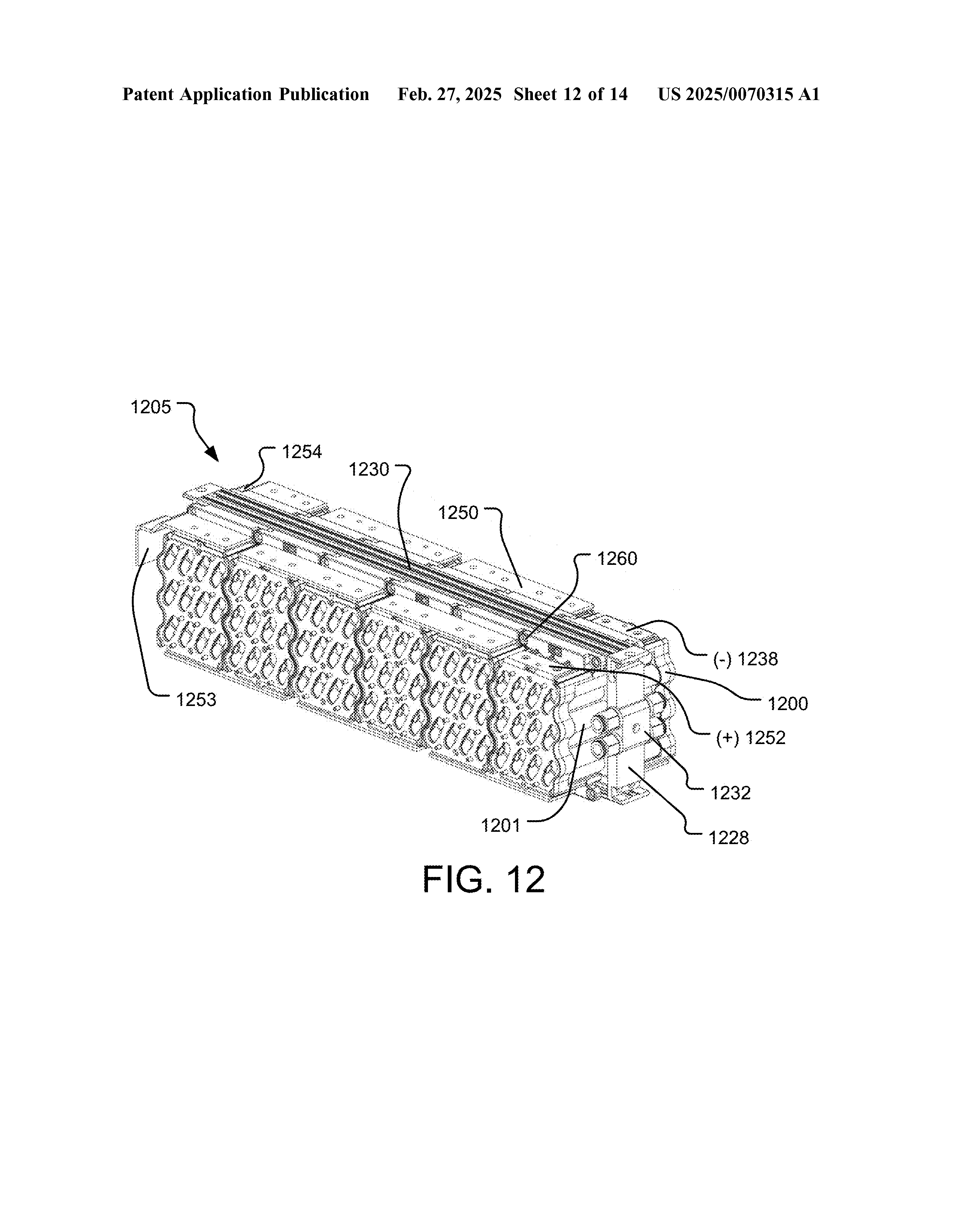
Designing for the Bad Day
Layered failure management in a modular battery architecture, and why several of the layers are geometry rather than components
Battery safety engineering assumes that cells can fail and designs for what happens next. This paper walks the failure-management layers of the MonoLith platform from prevention through containment, distinguishes the layers that are added components from the layers that are consequences of the architecture, and states plainly what the platform does not do.
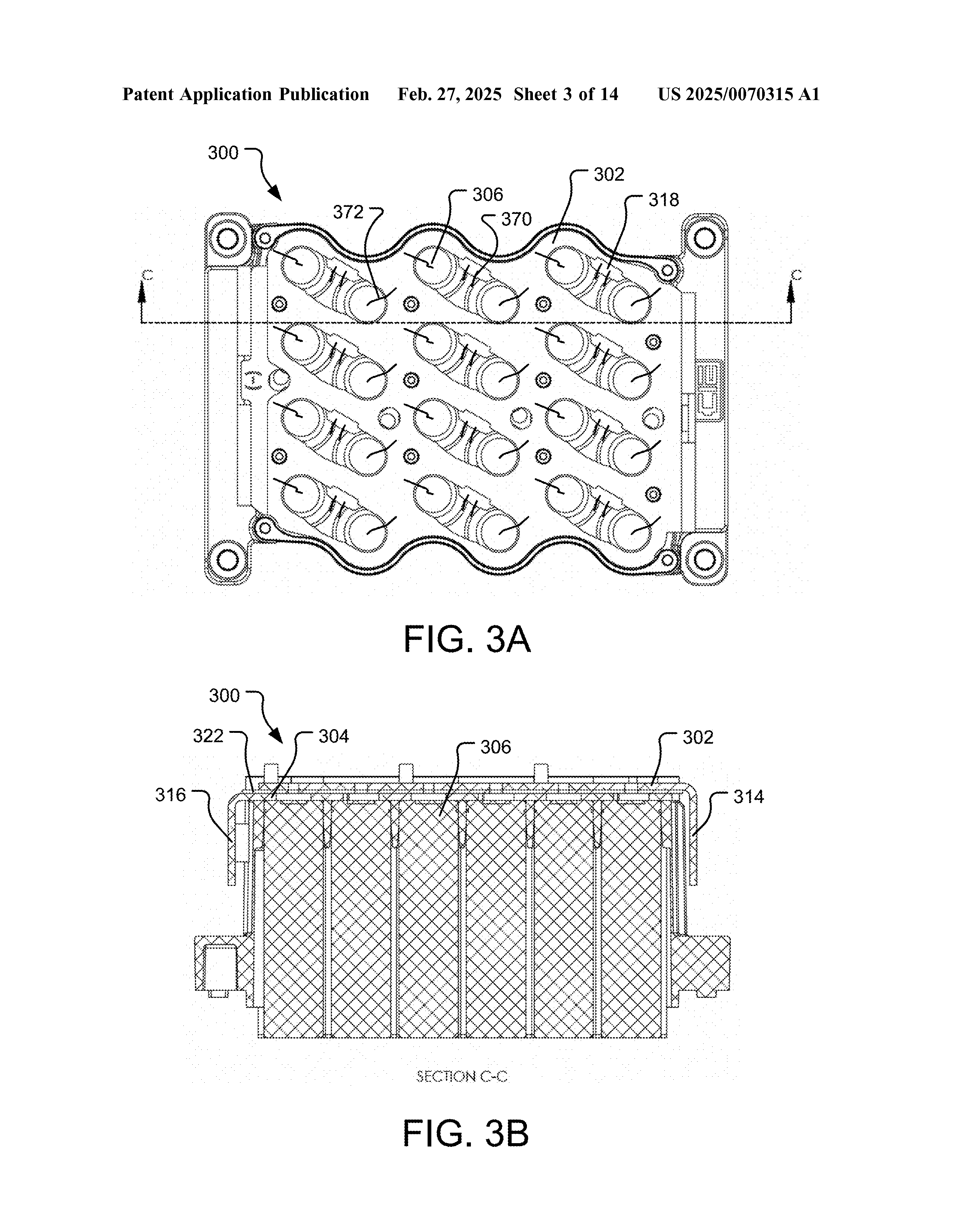
The Smallest Unit of Failure
Wire-bonded interconnection in NMC cylindrical packs, and why fault granularity is a chemistry-matched safety decision
Every pack architecture has a smallest unit of failure it can electrically isolate. In wire-bonded cylindrical packs that unit is a single cell; in laser-welded prismatic packs it is far larger. This paper describes the ultrasonic wire bonding process, the fusible-link behavior it provides, and why that granularity matters most for high-energy NMC chemistry.
MonoLith™ architecture is patent pending. U.S. Patent Application No. 18/814,733 (Pub. No. US 2025/0070315 A1); Canadian Patent Application No. 3,253,125. Filed under the company’s former name, CIE Solutions LLC.